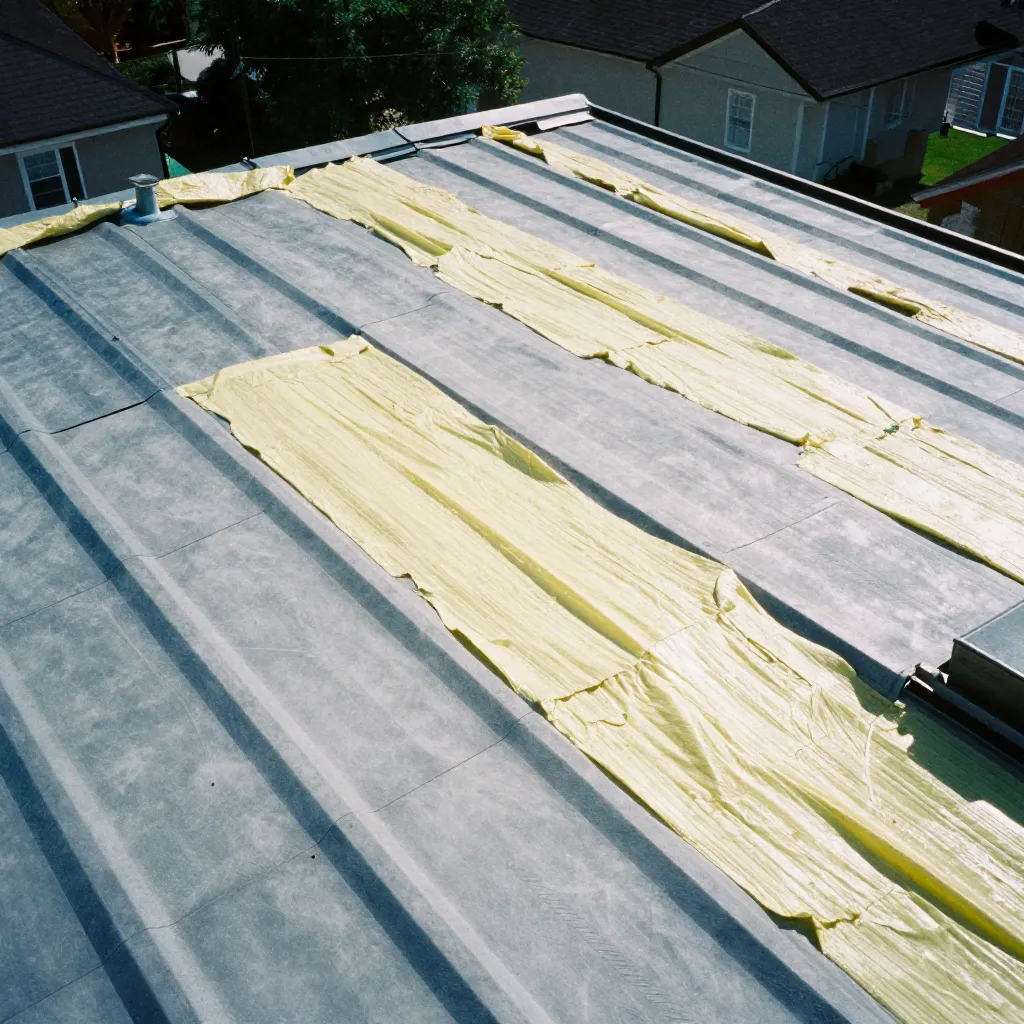
Essential Installation Techniques
Air Tightness Techniques
Achieving proper air tightness is crucial for preventing heat loss and maintaining energy efficiency. Key techniques include:
- Sealing all gaps and joints with appropriate tapes and sealants
- Installing continuous air barrier membranes
- Using gaskets and weatherstripping around windows and doors
- Blower door testing to verify air tightness levels
- Addressing thermal bypasses at penetrations and junctions
Air Flow Diagram: Warm air (red) escaping through gaps vs. Sealed structure (blue)
Moisture Barrier Placement
Correct placement of moisture barriers prevents condensation and protects building integrity:
- Vapor barriers on the warm side of insulation in cold climates
- Vapor-permeable membranes on the exterior in mixed climates
- Proper drainage planes behind exterior cladding
- Maintaining continuous barrier integrity at all junctions
- Allowing for drying potential on at least one side
Moisture Barrier Diagram: Vapor flow direction and barrier placement
Thermal Bridge Prevention
Eliminating thermal bridges ensures consistent thermal performance:
- Continuous insulation wrapping around structural elements
- Using thermal breaks at balconies and cantilevers
- Insulating window and door frames properly
- Avoiding gaps in insulation at corners and edges
- Thermal imaging to identify and address cold spots
Thermal Bridge Diagram: Heat flow through uninsulated areas (red) vs. Continuous insulation (green)
Correct Layering for Nordic Climates
Optimal layer sequence for extreme cold weather performance:
Wall Assembly (Inside to Outside):
- Interior finish
- Vapor barrier
- Primary insulation layer
- Secondary insulation (if needed)
- Air barrier membrane
- Drainage plane
- Exterior cladding
Roof Assembly (Inside to Outside):
- Interior ceiling
- Vapor barrier
- Insulation between rafters
- Continuous insulation above rafters
- Ventilation gap
- Roofing membrane
- Roof covering
Layering Diagram: Cross-section showing proper material sequence
Animated Diagrams
Airflow Patterns
Visualization of air movement through properly sealed vs. unsealed structures
Understanding airflow helps identify where air leakage occurs and how to prevent it effectively.
Heat Flow Visualization
Heat transfer patterns showing temperature gradients across insulation layers
Heat flow diagrams demonstrate how insulation reduces energy transfer and maintains comfort.
Installation Checklist
-
Pre-Installation: Verify all materials meet specifications, check weather conditions, prepare work area
-
Air Sealing: Seal all penetrations, install continuous barriers, test for air tightness
-
Insulation Installation: Maintain consistent thickness, avoid compression, fill all cavities completely
-
Moisture Management: Install vapor barriers correctly, ensure drainage, allow for drying
-
Quality Control: Thermal imaging inspection, blower door testing, documentation of installation